Contact Information
About Kulsum Diagnostic Laboratories Quetta
About Kulsum Diagnostic Laboratories
Kulsum Diagnostic Laboratories is a medical laboratory located in Quetta, Balochistan, providing diagnostic laboratory and testing services for patients. The laboratory is listed as a laboratory facility in Quetta and serves as a local option for people seeking diagnostic investigations.
Location
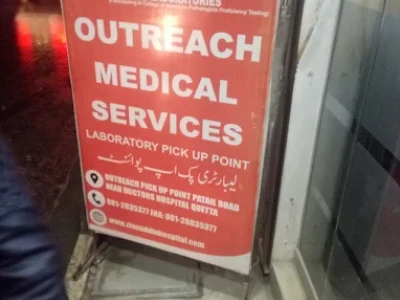
Kulsum Diagnostic Laboratories Quetta is located at Patel Road, Patel Bagh, Quetta, Balochistan, Pakistan. The location provides access to laboratory services for residents of Patel Bagh and nearby areas of Quetta.
Diagnostic Laboratory Services
A diagnostic laboratory provides medical testing of different types of patient samples to generate information that can support clinical evaluation. Depending on the requested investigation, samples may include blood, urine, stool, serum, plasma, swabs and other clinical specimens.
Routine Laboratory Testing
Kulsum Diagnostic Laboratories can serve patients requiring routine diagnostic investigations. Routine laboratory testing is commonly used for general health assessment, disease screening, investigation of symptoms and monitoring of ongoing medical conditions.
Blood Sample Collection
Blood sample collection is an important part of laboratory diagnostics. Different blood specimens may be required depending on the investigation requested by a doctor or healthcare professional.
Clinical Diagnostic Support
Laboratory investigations can provide useful information about different aspects of health, including blood parameters, biochemical markers, hormones, infections and other diagnostic indicators. Test results are generally interpreted by healthcare professionals together with the patient's medical history and clinical examination.
Patient Convenience
A local diagnostic laboratory can make testing more convenient for residents by providing sample collection and laboratory services within the city. Patients can contact the laboratory to ask about the availability of a particular test before visiting.
Diagnostic Testing for Different Needs
Laboratory investigations may be requested for routine screening, preventive health checks, diagnosis, follow-up examinations and monitoring of medical conditions. The appropriate tests depend on the patient's symptoms and the recommendation of a qualified healthcare professional.
Sample Handling
Proper sample collection and handling are important components of laboratory testing. Different investigations have different specimen requirements, and patients may receive specific instructions before sample collection.
Test Preparation
Certain laboratory tests may require preparation such as fasting, avoiding particular foods or medicines, or collecting the sample at a specific time. Patients should confirm the preparation requirements for their particular investigation before visiting the laboratory.
Report Information
The reporting time can vary according to the type and complexity of the investigation. Routine tests may have different turnaround times from specialized laboratory tests. Patients should confirm the expected reporting time when submitting their sample.
Quality and Reliability
Reliable laboratory testing depends on appropriate sample collection, laboratory procedures, equipment, quality-control practices and accurate reporting. Patients should use the report together with professional medical advice and should consult their doctor regarding the interpretation of abnormal results.
Services for Quetta Residents
Kulsum Diagnostic Laboratories provides a local laboratory option for residents of Quetta who need medical diagnostic investigations. Its location in Patel Bagh makes it accessible to patients from surrounding residential and commercial areas.
Contact and Visiting Information
For the latest information about test availability, laboratory timings, test charges, sample requirements and report collection, patients should contact Kulsum Diagnostic Laboratories directly before visiting.
Address
Patel Road, Patel Bagh, Quetta, Balochistan, Pakistan
Important Information
The availability of individual tests and services can change according to laboratory facilities and sample-processing arrangements. Patients should confirm the specific investigation, price, preparation requirements and expected report time directly with the laboratory before submitting a sample.
Tests & Services Offered
Laboratory Diagnostic Tests
Kulsum Diagnostic Laboratories provides medical laboratory testing services for patients requiring diagnostic investigations. Laboratory tests can be used for routine health assessment, screening, diagnosis and monitoring of different medical conditions.
Blood Tests
Blood tests are among the most commonly requested laboratory investigations. Different blood samples can be analyzed to evaluate blood cells, biochemical substances, hormones, infection-related markers and other health indicators.
Hematology Tests
Hematology focuses on the examination of blood cells and related parameters. Hematology investigations can provide information useful in the assessment of anemia, infections, blood disorders and other conditions affecting the blood.
Complete Blood Count
Complete Blood Count, commonly known as CBC, is a routine blood investigation that evaluates major blood-cell parameters. It is frequently requested during general health assessments and clinical investigations.
Hemoglobin Testing
Hemoglobin testing measures the amount of hemoglobin in the blood and may be requested when evaluating anemia and other conditions affecting blood health.
Blood Sugar Tests
Blood glucose testing is commonly used for diabetes screening and monitoring. Depending on the clinical requirement, investigations may include fasting blood sugar, random blood sugar and post-meal blood glucose.
HbA1c Testing
HbA1c is used to assess average blood glucose levels over a longer period and is commonly requested for diabetes monitoring and evaluation.
Liver Function Tests
Liver-related laboratory investigations assess biochemical markers associated with liver function. Depending on the requested test, investigations may include bilirubin, ALT, AST, alkaline phosphatase, albumin and other liver-related parameters.
Kidney Function Tests
Kidney function investigations evaluate markers associated with renal function. Common laboratory investigations may include creatinine, urea, uric acid and electrolyte-related testing.
Lipid Profile
A lipid profile evaluates different types of fats in the blood. Common parameters include total cholesterol, HDL cholesterol, LDL cholesterol and triglycerides.
Thyroid Tests
Thyroid function testing is used to assess thyroid hormone levels. Common investigations include TSH, T3, T4, Free T3 and Free T4, depending on the clinical requirement.
Hormone Tests
Hormonal investigations are used to evaluate hormone levels and may be requested for endocrine, metabolic and reproductive health assessments. The exact hormone test depends on the patient's symptoms and doctor's recommendation.
Fertility-Related Hormone Tests
Laboratory hormone investigations can form part of fertility and reproductive health evaluations. Depending on the clinical requirement, doctors may request tests related to FSH, LH, progesterone, prolactin, testosterone and other reproductive hormones.
Vitamin Testing
Vitamin-related laboratory investigations can help assess specific nutritional markers. Commonly requested tests in diagnostic laboratories include Vitamin D and Vitamin B12, although exact availability should be confirmed with the laboratory.
Infectious Disease Tests
Infectious disease investigations are used to detect or assess markers associated with infections. Depending on the test, laboratory methods may involve antigen detection, antibody testing, culture or molecular techniques.
Hepatitis Testing
Hepatitis-related investigations are used for the screening and evaluation of viral hepatitis. Tests can include investigations related to Hepatitis B and Hepatitis C, depending on the clinical requirement.
HIV Testing
HIV-related laboratory testing can be performed using appropriate screening and diagnostic methods. Patients should follow the test requirements and medical guidance provided by the healthcare professional.
Tuberculosis Testing
Laboratory investigations related to tuberculosis may be requested when TB infection is suspected or when screening is clinically appropriate. The specific investigation depends on the patient's condition and doctor's recommendation.
Immunology Tests
Immunology investigations examine antibodies, antigens and other immune-related markers. These tests can support the evaluation of infectious diseases, autoimmune conditions and other medical conditions.
Serology Tests
Serological investigations analyze blood serum for specific antibodies or antigens. These tests are commonly used for infectious disease screening and other diagnostic evaluations.
Microbiology Tests
Microbiology testing is used to identify microorganisms that may cause infections. Depending on the specimen, laboratory investigations can include microbiological examination, culture and sensitivity testing.
Culture and Sensitivity Testing
Culture and sensitivity testing can help identify microorganisms present in a clinical specimen and determine their response to selected antimicrobial medicines. These investigations may assist doctors in selecting suitable treatment.
Urine Tests
Urine testing is used for evaluating the urinary system and can also provide information about certain metabolic conditions. Routine urine examination, microscopy and other urine investigations may be requested depending on the clinical situation.
Stool Tests
Stool investigations are used to evaluate certain gastrointestinal, infectious and parasitic conditions. Depending on the requirement, stool examination may include routine analysis and microscopic examination.
Clinical Pathology
Clinical pathology involves the laboratory examination of patient specimens for diagnostic purposes. Blood, urine, stool and other clinical samples can be examined using appropriate laboratory methods.
Biochemistry Testing
Biochemistry testing measures substances such as glucose, proteins, enzymes, lipids, electrolytes and other biochemical markers. These investigations can help assess metabolic health and organ function.
Electrolyte Testing
Electrolyte investigations evaluate important minerals and salts present in the blood. Testing may include sodium, potassium, chloride and other relevant parameters according to the requested investigation.
Renal Profile
A renal or kidney profile combines selected laboratory investigations used to assess kidney-related biochemical markers. The exact components depend on the laboratory's available test profile.
Liver Profile
A liver profile combines selected biochemical investigations used to evaluate liver-related parameters. Doctors may request such testing for routine assessment or when liver-related disease is suspected.
Diabetes Profile
A diabetes-related laboratory profile may combine blood glucose and other diabetes monitoring investigations. HbA1c and glucose testing are commonly used components of diabetes assessment.
General Health Screening
Routine laboratory investigations can be used as part of general health screening. The appropriate tests depend on age, symptoms, medical history and advice from a healthcare professional.
Sample Collection Services
The laboratory provides sample collection for diagnostic investigations according to the requirements of individual tests. Blood, urine, stool, swabs and other specimens may be required for different laboratory examinations.
Specialized Testing
Some diagnostic laboratories provide access to specialized investigations that require specific equipment, sample handling or laboratory techniques. Patients should contact Kulsum Diagnostic Laboratories to confirm whether a particular specialized test is available at the Quetta location.
Laboratory Reports
Laboratory reports provide the findings of the requested investigations. Report timing varies according to the type of test, sample processing requirements and whether the investigation is performed locally or through another laboratory facility.
Home Sample Collection
Home sample collection availability can vary by laboratory and location. Patients who prefer sample collection at home should contact Kulsum Diagnostic Laboratories directly to confirm whether this service is currently available in their area.
Test Preparation
Some laboratory investigations require fasting or other preparation before sample collection. Patients should follow the preparation instructions given for their particular test to help ensure that the sample is suitable for analysis.
Test Charges
Laboratory charges depend on the specific investigation. Patients should confirm the current price of their required test directly with Kulsum Diagnostic Laboratories before submitting the sample.
Test Availability
The exact list of tests available at a specific laboratory location can vary. Patients should confirm the availability of their required investigation at Kulsum Diagnostic Laboratories, Patel Road, Patel Bagh, Quetta before visiting.
Important Note
This section describes the major categories of diagnostic laboratory services that may be relevant to a medical laboratory. It should not be taken as confirmation that every individual test mentioned is currently offered at the specific Quetta location. For accurate and updated information, patients should contact the laboratory directly.