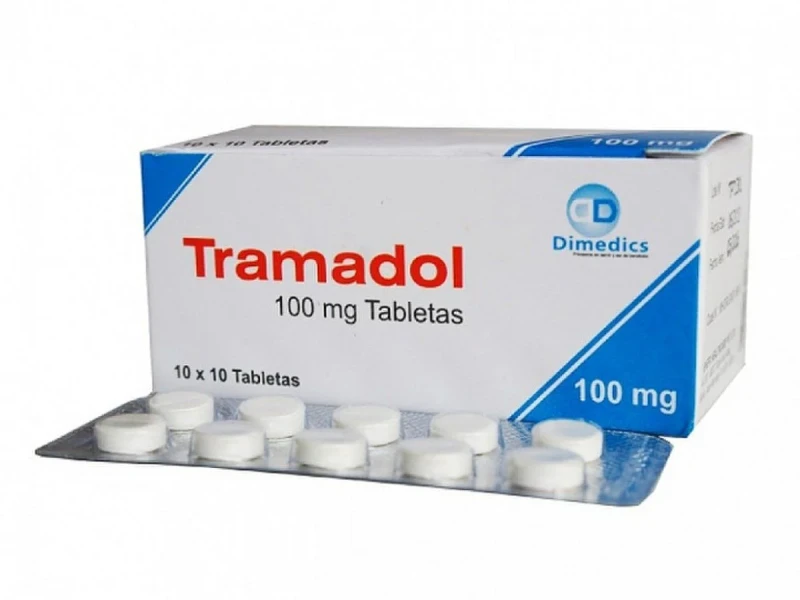
Description
What Is Tramadol?
Tramadol is a prescription opioid pain medicine used to treat moderate to moderately severe pain when other pain-relief options are not suitable or have not provided enough relief. It works through two main mechanisms: it activates opioid receptors involved in pain control and also affects the brain's serotonin and norepinephrine signaling pathways.
Because tramadol acts on the central nervous system, it can reduce the way the brain and spinal cord perceive pain. However, it can also cause drowsiness, dizziness, constipation and breathing problems. Regular use may lead to tolerance, physical dependence and, in some people, opioid use disorder.
Tramadol is available in immediate-release and extended-release formulations. These products are not interchangeable because they have different dosing schedules and release characteristics.
How Does Tramadol Work?
Tramadol and its active metabolite act on mu-opioid receptors, reducing pain signals in the nervous system. Tramadol also inhibits the reuptake of serotonin and norepinephrine, which contributes to its pain-relieving effect.
This second mechanism is important because it means tramadol can interact with medicines that affect serotonin. Combining tramadol with certain antidepressants can increase the risk of serotonin syndrome.
Tramadol for Pain Relief
Tramadol may provide relief when pain is significant enough to require an opioid-type medicine. It is generally intended for situations where the expected benefits outweigh the risks.
For chronic pain, doctors usually consider non-opioid medicines and other treatment approaches before relying on long-term opioid therapy.
Important Information
Tramadol can cause addiction, misuse, overdose and potentially fatal respiratory depression. The risk increases when it is taken in higher doses or combined with alcohol, sleeping medicines, benzodiazepines or other opioids.
Never share tramadol with another person, even if they have similar pain.
Uses
Moderate to Severe Pain
The main use of tramadol is the treatment of moderate to moderately severe pain.
It may be prescribed after certain injuries, operations or medical conditions when other pain medicines do not provide adequate relief.
The exact treatment depends on the cause and severity of the pain.
Short-Term Pain Management
Tramadol may be prescribed for short-term pain following surgery, injury or another acute medical problem.
When used for acute pain, doctors generally aim to use the lowest effective dose for the shortest necessary period.
Chronic Pain
In selected patients, tramadol may be considered for persistent pain when other treatments have not provided sufficient relief.
Long-term use requires regular medical review because tolerance, dependence and other opioid-related complications can develop.
Nerve-Related Pain
Because tramadol affects both opioid and serotonin/norepinephrine pathways, it may sometimes provide benefit for certain forms of nerve-related pain.
However, it is not automatically the first-choice medicine for neuropathic pain, and treatment should be individualized.
Musculoskeletal Pain
Tramadol may be prescribed for severe pain associated with some musculoskeletal conditions.
Doctors generally consider the underlying cause of the pain before deciding whether an opioid is appropriate.
Important Consideration
Tramadol treats pain symptoms, but it does not cure the underlying cause of pain. Persistent or unexplained pain should be evaluated so that the actual condition can be treated appropriately.
Side Effects
Tramadol can cause several side effects. Some are mild, while others can be serious or life-threatening.
Nausea
Nausea is a common side effect of tramadol, particularly when treatment is first started.
Taking the medicine exactly as prescribed and following your doctor's advice about food may help improve tolerability.
Vomiting
Some people experience vomiting while taking tramadol.
Repeated vomiting can lead to dehydration and may require medical assessment.
Dizziness
Tramadol can cause dizziness or lightheadedness.
This can increase the risk of falls, particularly in older adults.
Drowsiness
Sleepiness is common with opioid medicines.
Do not drive, operate machinery or perform potentially dangerous activities until you know how tramadol affects your alertness.
Constipation
Tramadol can slow movement through the digestive tract and may cause constipation.
Adequate fluids, dietary fiber and physical activity may help when medically appropriate, although some patients require a laxative recommended by a healthcare professional.
Headache
Headache can occur during tramadol treatment.
Persistent or severe headaches should be discussed with a healthcare professional.
Dry Mouth
Some people experience dry mouth while taking tramadol.
Maintaining good oral hygiene and drinking water regularly may help.
Sweating
Increased sweating can occur because of tramadol's effects on the nervous system.
Confusion
Confusion or difficulty concentrating may occur, particularly with higher doses or in older adults.
Severe confusion requires medical evaluation.
Low Blood Pressure
Tramadol may occasionally cause low blood pressure, especially when standing up.
This can result in dizziness or fainting.
Seizures
Tramadol can increase the risk of seizures, particularly at higher doses or when combined with medicines that lower the seizure threshold.
People with a history of seizures should discuss this with their doctor before using tramadol.
Serotonin Syndrome
Because tramadol affects serotonin, it can rarely contribute to serotonin syndrome, especially when combined with antidepressants such as SSRIs, SNRIs or MAO inhibitors.
Warning signs can include agitation, confusion, sweating, fever, rapid heartbeat, tremors, muscle stiffness or diarrhea.
This requires urgent medical assessment.
Respiratory Depression
One of the most serious risks of tramadol is slow or difficult breathing.
The risk increases when tramadol is combined with alcohol, benzodiazepines, other opioids or other medicines that depress the central nervous system.
Slow breathing, extreme sleepiness, blue or gray lips or inability to wake is an emergency.
Dependence and Withdrawal
Regular tramadol use can lead to physical dependence. Stopping suddenly after prolonged treatment can cause withdrawal symptoms.
These may include anxiety, sweating, restlessness, insomnia, nausea, diarrhea and flu-like symptoms.
A healthcare professional can provide a gradual dose reduction when appropriate.
Dosage
Individualized Dosage
There is no single tramadol dose suitable for everyone.
The appropriate dose depends on the patient's age, pain severity, medical history, kidney and liver function, other medicines and the formulation being used.
Doctors generally use the lowest effective dose for the shortest appropriate period.
Immediate-Release Tramadol
For many adults, immediate-release tramadol may be started at 50 mg to 100 mg every 4 to 6 hours as needed, depending on the clinical situation.
The maximum daily dose varies according to the product, patient characteristics and prescribing guidance. Do not exceed the amount prescribed by your doctor.
Extended-Release Tramadol
Extended-release formulations are designed to provide prolonged pain control and are usually taken once daily.
They are not intended for sudden, short-term pain relief and should not be crushed, chewed or broken if the product instructions require the tablet to be swallowed whole.
Older Adults
Older adults may be more sensitive to tramadol's effects, including dizziness, confusion and respiratory depression.
Dose adjustments may be necessary depending on age, kidney function and overall health.
Kidney Problems
People with reduced kidney function may need a lower dose or longer intervals between doses.
Some extended-release tramadol products may not be appropriate for people with significant kidney impairment.
Liver Problems
Patients with liver disease may also require dose adjustments.
Tell your doctor if you have liver problems before starting tramadol.
Children's Dosage
Tramadol is not routinely recommended for children, and its use is subject to important age-related restrictions because of serious breathing risks.
Children and adolescents should only receive tramadol when specifically prescribed by a qualified healthcare professional and when appropriate for their age and clinical situation.
How to Take Tramadol
Take tramadol exactly as prescribed.
Immediate-release products may be taken with or without food depending on the product. Extended-release tablets should be taken according to their specific instructions.
Do not crush or chew extended-release formulations because doing so can release too much medicine at once.
Missed Dose
If tramadol is being taken on a regular schedule and you miss a dose, take it when you remember unless it is almost time for the next dose.
If the next dose is near, skip the missed dose. Do not take two doses together.
If you use immediate-release tramadol only when needed, simply take the next dose when pain requires it according to your prescription.
Overdose
A tramadol overdose can cause severe sleepiness, vomiting, seizures, loss of consciousness and dangerously slow breathing.
If an overdose is suspected, seek emergency medical attention immediately.
Naloxone, an opioid overdose reversal medicine, can temporarily reverse opioid-related respiratory depression. If naloxone is available and an opioid overdose is suspected, it should be used according to its instructions while emergency medical help is contacted.
Tramadol and Alcohol
Do not combine tramadol with alcohol.
Alcohol can significantly increase sedation and respiratory depression and may increase the risk of overdose.
Tramadol and Benzodiazepines
Combining tramadol with benzodiazepines such as diazepam, lorazepam or clonazepam can dangerously increase sedation and breathing problems.
This combination should only be used when specifically prescribed and closely monitored by a healthcare professional.
Tramadol and Antidepressants
Tramadol can interact with antidepressants, including sertraline, fluoxetine, paroxetine and other serotonin-affecting medicines.
Combining these medicines can increase the risk of serotonin syndrome and seizures.
Always tell your doctor about all antidepressants and other psychiatric medicines you use.
Pregnancy
Regular use of tramadol during pregnancy can cause dependence and withdrawal symptoms in a newborn.
If you are pregnant or planning pregnancy, discuss pain treatment options with your doctor before using tramadol.
Breastfeeding
Tramadol is generally not recommended during breastfeeding because it can pass into breast milk and may cause excessive sleepiness or breathing problems in an infant.
Consult a healthcare professional for safer pain-relief options.
Driving and Tramadol
Tramadol can impair alertness, reaction time and coordination.
Do not drive or operate machinery if you feel sleepy, dizzy, confused or otherwise impaired.
Long-Term Use
Long-term tramadol treatment requires regular review.
Over time, some people develop tolerance, meaning the same dose provides less pain relief. Increasing the dose without medical supervision can increase the risk of overdose and dependence.
Stopping Tramadol
If you have taken tramadol regularly for an extended period, do not stop it suddenly without medical advice.
A gradual reduction may help minimize withdrawal symptoms.
Safe Storage
Keep tramadol in a secure place away from children and other people who could accidentally or intentionally take it.
Because it is an opioid medicine, unused tablets should be disposed of safely according to local pharmacy or medication-disposal guidance.
When to Seek Medical Help
Seek emergency medical attention for slow or difficult breathing, extreme sleepiness, loss of consciousness, seizures, severe allergic reactions or suspected overdose.
Seek urgent medical advice if you develop symptoms of serotonin syndrome, such as high fever, severe agitation, muscle stiffness or confusion.
Important Dosage Advice
Tramadol is a prescription opioid medicine and should be taken exactly as directed. Never increase the dose on your own, share tramadol with another person or combine it with alcohol or unauthorized sedative medicines. If you have been using tramadol regularly, consult your doctor before stopping it.
Note: This information is for general educational and SEO purposes and does not replace advice from a qualified doctor or pharmacist. The appropriate tramadol dose depends on the type and severity of pain, age, kidney and liver function, other medicines and the specific formulation.